Hollow forehead or temples
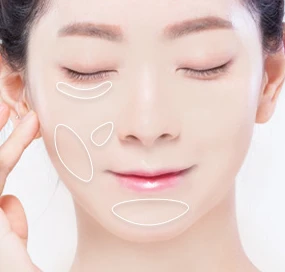
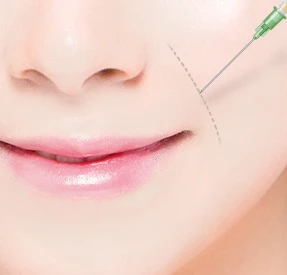
Hollowing of the forehead, cheeks, or under-eyes can make the face look tired and older. Fat grafting fills hollow areas with your own fat to aim for natural volume and a more youthful impression; the degree of fat retention varies between individuals.
Hollow forehead or temples
Sunken cheeks that look gaunt
Under-eye hollowing that looks tired
You want a softer, younger look
Because retention varies, a touch-up session may be planned when needed; we explain this during consultation.
* Results vary between individuals; please confirm recovery time and possible side effects through a thorough consultation.
Answers to the questions patients most often ask before planning surgery in Korea.
QDoes all the transferred fat survive?
AA portion of grafted fat is naturally absorbed. The survival rate varies by individual, which is why the volume is planned with this in mind.
QWhere is the fat harvested from?
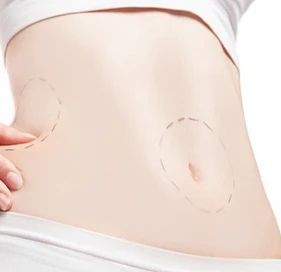
AUsually from the inner thigh. If more volume is needed, fat can also be harvested from the abdomen around the navel.
QMight I need a second (touch-up) graft?
AIf absorption leaves less volume than planned, a touch-up graft can be performed after checking the settled result.
QI do not speak Korean. Do you provide interpretation services?
AWe are a government-registered medical institution for international patients, with dedicated English-, Chinese-, and Japanese-speaking coordinators on staff. They support smooth communication through every step, from consultation to the operating room and aftercare.
QCan I get a tax refund (VAT refund) on the surgery cost?
AThe special VAT refund program for cosmetic surgery services for foreign tourists officially ended on December 31, 2025. For procedures performed on or after January 1, 2026, clinics can no longer issue tax refund documents.
QDo I need a special visa for plastic surgery in Korea?
AFor short stays (usually up to 90 days), citizens of visa-waiver countries can enter Korea without a visa and receive surgery during their stay. The K-ETA (Korea Electronic Travel Authorization) is temporarily waived for 22 major countries, including the US, UK, Canada, Australia, and Japan, through December 31, 2026 - please check the official K-ETA website for your nationality before departure.
QWill the surgeon I consult with actually perform my surgery? Is there any risk of ghost surgery?
AThe board-certified plastic surgeon who consults with you performs 100% of the surgery. Under Korean law requiring CCTV in operating rooms, our operating room CCTV is in operation to protect your rights as a patient.
QWhen can I fly home after surgery?
ACabin pressure changes can cause swelling or bleeding, so it is medically recommended to fly only after your stitches are removed (7-10 days after surgery). Rhinoplasty can be more sensitive to pressure changes, so it is safest to board after a final check with your surgeon.
QHow can I check that a clinic is safe and verified?
AAn objective indicator is the KAHF mark, the accreditation program designated by the Korean Ministry of Health and Welfare for medical institutions serving international patients. You can also verify that the surgeon is a board-certified plastic surgeon on the Korean Society of Plastic Surgeons website.