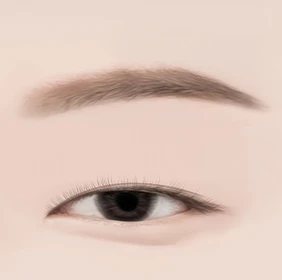
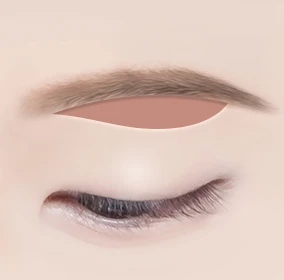
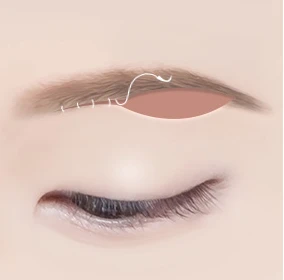
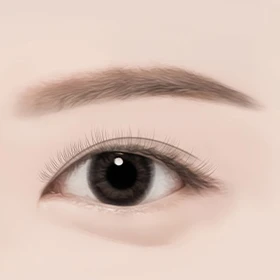
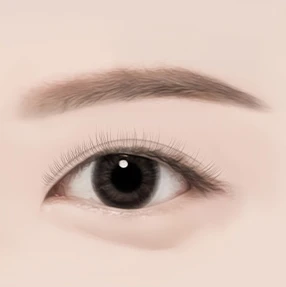
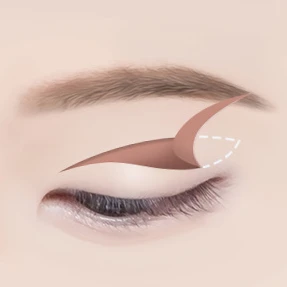
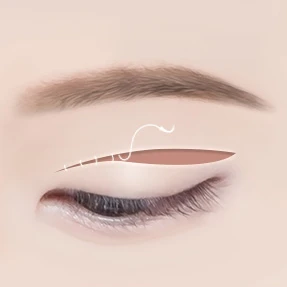
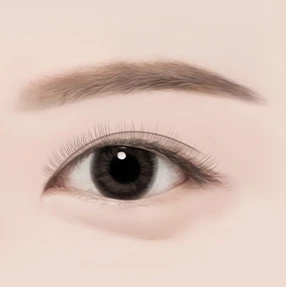
Heavy, sagging upper eyelids
For middle-aged skin, eyes, and forehead, a natural result comes from considering overall harmony rather than a single area alone. Middle-aged plastic surgery designs eye, forehead, and lifting procedures around your individual condition, aiming for a refreshed, naturally younger impression that never looks artificial.
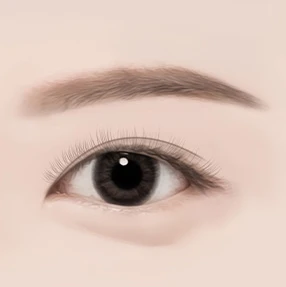
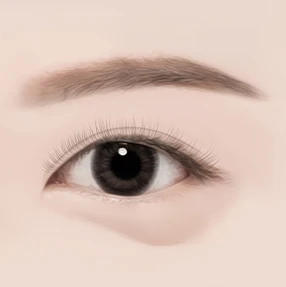
Heavy, sagging upper eyelids
Deepening forehead or frown lines
Sagging cheeks or jawline
People say you look tired overall
Rather than changing everything at once, prioritizing and planning in stages tends to give more natural results.
* Results vary between individuals; please confirm recovery time and possible side effects through a thorough consultation.
Answers to the questions patients most often ask before planning surgery in Korea.
QWhich procedures are combined in middle-aged plastic surgery?
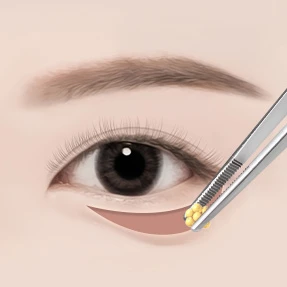
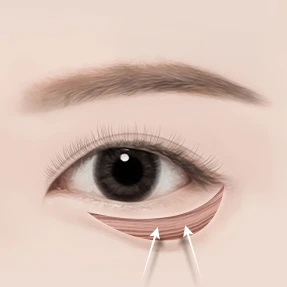
ADepending on your condition: upper or lower blepharoplasty, ptosis correction, brow or forehead lift, and lifting procedures — designed together as one balanced plan.
QI’m hesitant about surgery. Are there non-surgical options?
AYes. Depending on your condition, staged options such as thread lifting can be suggested before committing to surgery.
QHow is the surgical plan decided?
AThrough consultation and examination we identify what will bring the most natural improvement, and prioritize procedures accordingly.
QHow long do I need to stay in Korea after surgery?
AIt depends on your procedure. For typical double eyelid surgery or rhinoplasty, stitches are removed 7-10 days after surgery, so staying at least about one week is standard.
QI do not speak Korean. Do you provide interpretation services?
AWe are a government-registered medical institution for international patients, with dedicated English-, Chinese-, and Japanese-speaking coordinators on staff. They support smooth communication through every step, from consultation to the operating room and aftercare.
QWill the surgeon I consult with actually perform my surgery? Is there any risk of ghost surgery?
AThe board-certified plastic surgeon who consults with you performs 100% of the surgery. Under Korean law requiring CCTV in operating rooms, our operating room CCTV is in operation to protect your rights as a patient.
QWhat if I have side effects after returning to my home country?
AAfter you return home, we follow up on your recovery online through messengers such as WhatsApp, WeChat, or LINE, or by email. We also recommend checking the clinic’s aftercare guarantee policy before surgery.
QWhen can I fly home after surgery?
ACabin pressure changes can cause swelling or bleeding, so it is medically recommended to fly only after your stitches are removed (7-10 days after surgery). Rhinoplasty can be more sensitive to pressure changes, so it is safest to board after a final check with your surgeon.
QHow can I check that a clinic is safe and verified?
AAn objective indicator is the KAHF mark, the accreditation program designated by the Korean Ministry of Health and Welfare for medical institutions serving international patients. You can also verify that the surgeon is a board-certified plastic surgeon on the Korean Society of Plastic Surgeons website.
QWhat payment methods do you accept?
AWe accept international credit cards (Visa, MasterCard, UnionPay, JCB), cash (KRW, USD, and other major currencies), Alipay, and WeChat Pay.