People often say you look sleepy
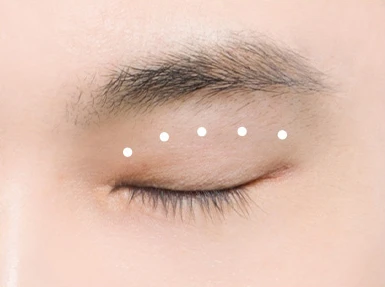
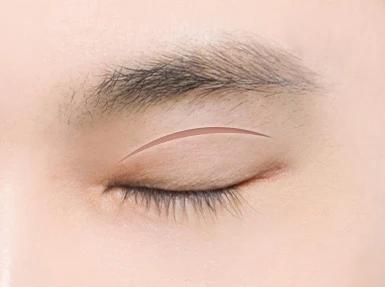
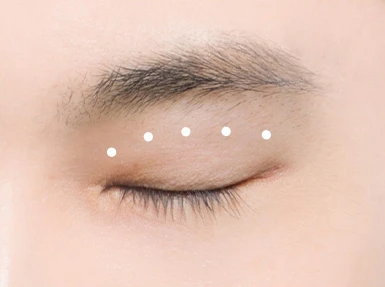
Men often prefer a natural change that is not obvious. Male eye surgery aims for a clear, refreshed impression without looking done, discussing methods suited to your eyes such as ptosis correction or the non-incisional technique.
People often say you look sleepy
Your impression looks dull or tired
You do not want surgery to be noticeable
You want improvement without a visible crease
For men, eye-opening strength and clarity often matter more than the crease itself; non-incisional options can be considered after diagnosis.
* Results vary between individuals; please confirm recovery time and possible side effects through a thorough consultation.
Answers to the questions patients most often ask before planning surgery in Korea.
QWon’t double eyelids look unnatural on a man?
AWe design thin, in-fold lines that simply make the eyes look clearer — not obviously operated.
QCan I get ptosis correction without creating a double eyelid?
AYes. Ptosis correction alone can brighten the eyes while keeping your natural eyelid shape.
QWhen should men consider eyelid surgery?
AWhen the eyes look sleepy or tired because of drooping lids, or when you want a sharper, more defined impression while staying natural.
QHow long does the swelling last?
AMost of the major swelling goes down within 2 weeks to 1 month, and the small visible swelling settles gradually over several months. The pace varies from person to person.
QI do not speak Korean. Do you provide interpretation services?
AWe are a government-registered medical institution for international patients, with dedicated English-, Chinese-, and Japanese-speaking coordinators on staff. They support smooth communication through every step, from consultation to the operating room and aftercare.
QDo I need a special visa for plastic surgery in Korea?
AFor short stays (usually up to 90 days), citizens of visa-waiver countries can enter Korea without a visa and receive surgery during their stay. The K-ETA (Korea Electronic Travel Authorization) is temporarily waived for 22 major countries, including the US, UK, Canada, Australia, and Japan, through December 31, 2026 - please check the official K-ETA website for your nationality before departure.
QWill the surgeon I consult with actually perform my surgery? Is there any risk of ghost surgery?
AThe board-certified plastic surgeon who consults with you performs 100% of the surgery. Under Korean law requiring CCTV in operating rooms, our operating room CCTV is in operation to protect your rights as a patient.
QWhen can I fly home after surgery?
ACabin pressure changes can cause swelling or bleeding, so it is medically recommended to fly only after your stitches are removed (7-10 days after surgery). Rhinoplasty can be more sensitive to pressure changes, so it is safest to board after a final check with your surgeon.
QHow can I check that a clinic is safe and verified?
AAn objective indicator is the KAHF mark, the accreditation program designated by the Korean Ministry of Health and Welfare for medical institutions serving international patients. You can also verify that the surgeon is a board-certified plastic surgeon on the Korean Society of Plastic Surgeons website.
QWhat payment methods do you accept?
AWe accept international credit cards (Visa, MasterCard, UnionPay, JCB), cash (KRW, USD, and other major currencies), Alipay, and WeChat Pay.