Eyes that look short horizontally
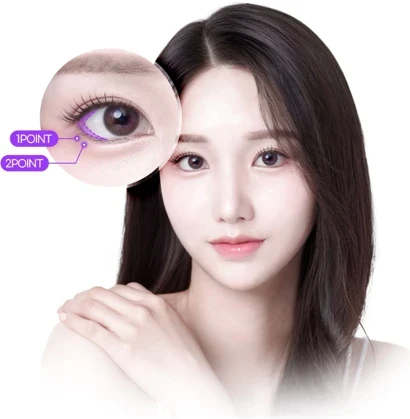
Wave lateral-lower canthoplasty widens the eyes horizontally while designing the line to reduce the chance of re-adhesion. We aim to design a natural end-line that fits your eye shape.
Eyes that look short horizontally
Upturned outer corners that look sharp
You want a softer impression
You are worried about re-adhesion
The right method and scope differ by individual condition, so an accurate diagnosis and a personalized plan matter most.
* Results vary between individuals; please confirm recovery time and possible side effects through a thorough consultation.
Answers to the questions patients most often ask before planning surgery in Korea.
QHow is the wave lateral-lower canthoplasty different from a regular lateral canthoplasty?
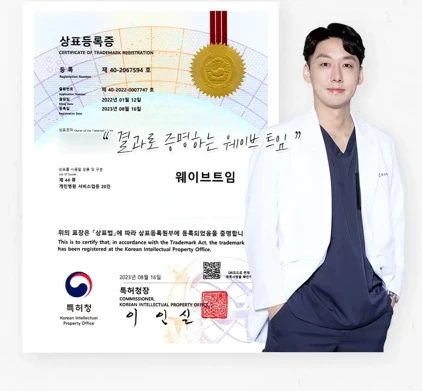
AOur signature wave-line design lowers the chance of re-adhesion, one of the most common issues after standard lateral canthoplasty.
QI heard the corners often re-attach after canthoplasty.
ARe-adhesion is exactly what the wave design addresses. The line is structured to reduce re-adhesion and keep the widened corner stable.
QWhat kind of eyes benefit most?
AEyes that want horizontal widening. The result is bigger, more open and refreshed-looking eyes, and depending on the design it can also create a soft, cute eye shape.
QHow long do I need to stay in Korea after surgery?
AIt depends on your procedure. For typical double eyelid surgery or rhinoplasty, stitches are removed 7-10 days after surgery, so staying at least about one week is standard.
QI do not speak Korean. Do you provide interpretation services?
AWe are a government-registered medical institution for international patients, with dedicated English-, Chinese-, and Japanese-speaking coordinators on staff. They support smooth communication through every step, from consultation to the operating room and aftercare.
QWill the surgeon I consult with actually perform my surgery? Is there any risk of ghost surgery?
AThe board-certified plastic surgeon who consults with you performs 100% of the surgery. Under Korean law requiring CCTV in operating rooms, our operating room CCTV is in operation to protect your rights as a patient.
QWhat if I have side effects after returning to my home country?
AAfter you return home, we follow up on your recovery online through messengers such as WhatsApp, WeChat, or LINE, or by email. We also recommend checking the clinic’s aftercare guarantee policy before surgery.
QWhen can I fly home after surgery?
ACabin pressure changes can cause swelling or bleeding, so it is medically recommended to fly only after your stitches are removed (7-10 days after surgery). Rhinoplasty can be more sensitive to pressure changes, so it is safest to board after a final check with your surgeon.
QHow can I check that a clinic is safe and verified?
AAn objective indicator is the KAHF mark, the accreditation program designated by the Korean Ministry of Health and Welfare for medical institutions serving international patients. You can also verify that the surgeon is a board-certified plastic surgeon on the Korean Society of Plastic Surgeons website.